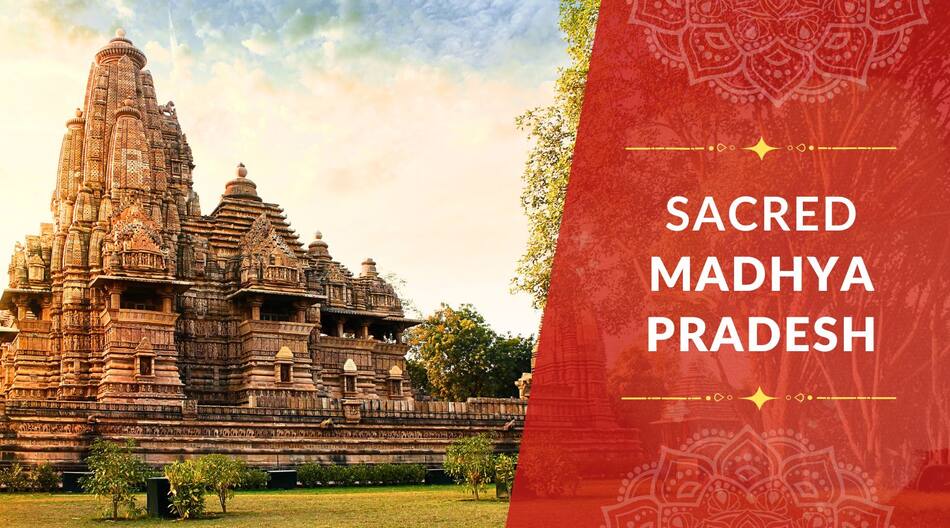

Madhya Pradesh is often called the heart of India and it truly feels like it. This region has been a center of faith and devotion for thousands of years. From temple bells ringing along the Narmada River to the carved stone walls of Khajuraho, spirituality is everywhere you go.
What makes Madhya Pradesh special is how easily the sacred blends with daily life. Pilgrims pray beside locals washing clothes in the river, and centuries-old traditions continue quietly in small villages. It’s a place that reminds you how simple and natural spiritual living can be.
Join me as we dive into the 10 most sacred places to visit in Madhya Pradesh, exploring what makes them unique, why they matter, and how to plan your visit.
Why Visit Sacred Places in Madhya Pradesh?
Madhya Pradesh holds some of the oldest and most important spiritual sites in India. It’s home to Ujjain (one of the four cities of the Kumbh Mela), the world’s largest spiritual gathering, and to Khajuraho, a UNESCO World Heritage site known for its exquisite temple carvings.
Across the state, you’ll find shrines dedicated to Shiva, Vishnu, and Devi, many dating back over a thousand years. Though ancient monuments, these sites continue to serve as active centers of worship, pilgrimage, and traditional festivals.
Rich Blend of Tradition
Madhya Pradesh brings together centuries of India’s spiritual and cultural heritage. Here, you’ll find grand Hindu temples, serene Jain pilgrimage sites, and ancient Buddhist monuments, often within a few hours of each other. This rare harmony of traditions makes the state a living museum of India’s diverse faiths and philosophies.
World-renowned Sites
Some of India’s most iconic sacred landmarks are found in Madhya Pradesh. The UNESCO-listed Khajuraho Temples are world-famous for their detailed stone carvings and symbolic depictions of life and devotion, while Sanchi Stupa stands as one of the oldest Buddhist monuments in existence. Each year, millions of visitors travel here to witness this timeless artistry and experience the spiritual atmosphere that still surrounds these sites.
Living Spirituality
In Madhya Pradesh, spirituality isn’t confined to monuments, it’s part of daily life. Morning prayers on the ghats, temple chants at dusk, and colorful local festivals keep centuries-old traditions alive.
For those wanting to deepen their practice, the state also offers traditional yoga teacher trainings set in peaceful natural surroundings.
Unique History and Culture
Every sacred site in Madhya Pradesh tells a story of ancient kingdoms, saints, and civilizations that once flourished here. From the temple walls of Khajuraho to the riverbanks of Ujjain, each place offers a glimpse into India’s layered past and enduring cultural identity.
10 Sacred Places to Visit in Madhya Pradesh
1. Khajuraho - UNESCO World Heritage Temples
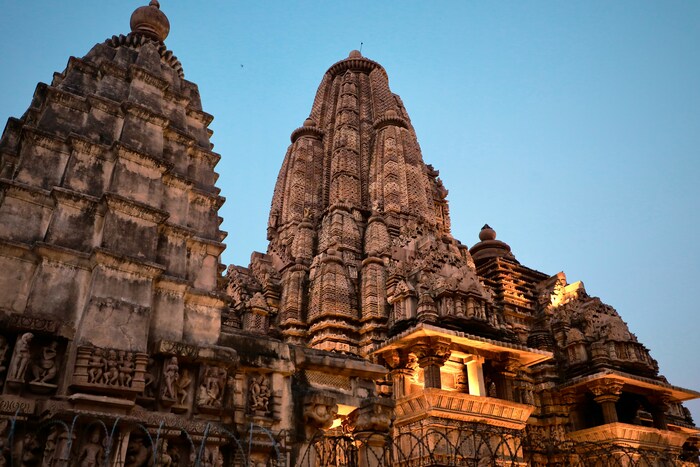
Location: Chhatarpur district, Madhya Pradesh
Spiritual Significance: Built between 950 and 1050 CE by the Chandela dynasty, Khajuraho is one of India’s most remarkable temple complexes and a UNESCO World Heritage Site. Once home to around 85 temples, about 20 remain today, a mix of Hindu and Jain shrines. These temples are celebrated for their detailed sculptures that portray daily life, devotion, and the unity of physical and spiritual love.
Key Temples: Kandariya Mahadeva Temple, Lakshmana Temple, Chitragupta (Sun) Temple
Best Time to Visit: October to February
Famous Festival: Khajuraho Dance Festival (February)
2. Ujjain - The City of Mahakal
Location: On the banks of the Shipra River, western Madhya Pradesh
Spiritual Significance: Ujjain is one of Hinduism’s seven sacred cities (Sapta Puri) and one of the four sites of the Kumbh Mela, held here every 12 years. It’s home to the Mahakaleshwar Jyotirlinga, one of the twelve shrines dedicated to Lord Shiva, and remains an important center of pilgrimage and traditional learning.
Key Temples: Mahakaleshwar Temple, Kal Bhairav Temple, Harsiddhi Temple, Ram Ghat
Best Time to Visit: October to March
Famous Events: Simhastha Kumbh Mela, evening aarti at Ram Ghat, and Harsiddhi mata aarti
3. Maheshwar - The Sacred Ghats of the Narmada
Location: Khargone district, on the banks of the Narmada River
Spiritual Significance: Once the capital of Queen Ahilyabai Holkar, Maheshwar is known for its riverfront ghats, elegant temples, and devotion to Lord Shiva. The town is also famous for its handwoven Maheshwari saris and peaceful atmosphere, making it an ideal stop for reflection along the Narmada.
Key Sites: Ahilya Fort, Rajrajeshwar Temple, Kashi Vishwanath Temple
Best Time to Visit: October to February
Famous Rituals: Evening Narmada aarti at Ahilya Ghat
4. Chitrakoot - Land of the Ramayana
Location: On the border of Madhya Pradesh and Uttar Pradesh (Satna district in MP)
Spiritual Significance: Chitrakoot is where Lord Rama, Sita, and Lakshmana are said to have spent years of their exile, as described in Valmiki’s Ramayana and Tulsidas’s writings. Today, its river ghats, forested hills, and temples draw pilgrims throughout the year.
Key Sites: Ram Ghat, Kamadgiri Temple, Bharat Milap Temple, Hanuman Dhara
Best Time to Visit: October to March
Famous Festivals: Diwali, Ram Navami
5. Omkareshwar - Island of the Jyotirlinga
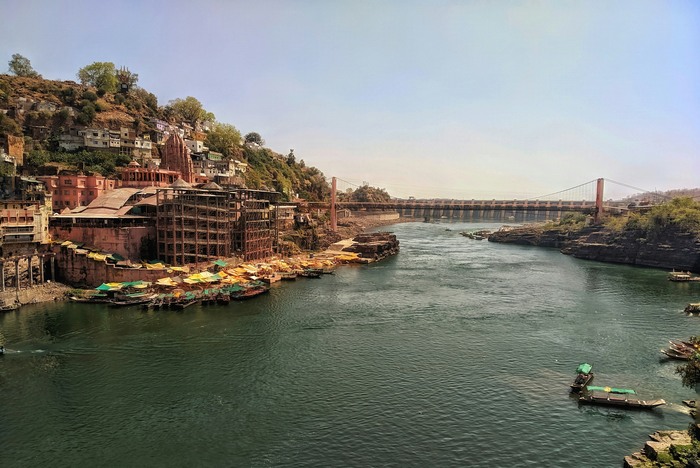
Location: Mandhata Island, Khandwa district
Spiritual Significance:
Situated on an island said to be shaped like the sacred “ॐ” symbol, Omkareshwar is home to one of the twelve Jyotirlingas of Lord Shiva. The town’s twin shrines, Omkareshwar and Mamleshwar, face each other across the Narmada River, connected by an arched bridge and surrounded by scenic hills.
Key Temples: Omkareshwar Temple, Mamleshwar Temple, Siddhanath Temple
Best Time to Visit: October to March
Famous Festivals: Maha Shivaratri, Narmada Jayanti
6. Sanchi - The Timeless Stupa
Location: Raisen district, near Bhopal
Spiritual Significance: Founded by Emperor Ashoka in the 3rd century BCE, Sanchi is one of the oldest Buddhist sites in the world and a UNESCO World Heritage Site. Its stupas, gateways, and monasteries illustrate the development of Buddhist art and architecture over many centuries.
Key Monuments: The Great Stupa, Ashokan Pillar, Gupta-era Temples
Best Time to Visit: November to March
Famous Festival: Chetiyagiri Vihara Festival
7. Amarkantak - The Source of the Sacred Narmada
Location: Anuppur district, at the meeting point of the Vindhya, Satpura, and Maikal ranges
Spiritual Significance: Known as “Teerthraj,” or the king of pilgrimages, Amarkantak marks the origin of the Narmada River and the nearby Sone and Johila rivers. The town’s temples and forested hills create a deeply peaceful atmosphere that has drawn saints and seekers for centuries.
Key Sites: Narmada Kund, Shri Yantra Mandir, Kapildhara Falls
Best Time to Visit: October to March
Famous Festivals: Narmada Jayanti, Makar Sankranti
8. Pachmarhi - The Sacred Hill of the Satpuras
Location: Narmadapuram (formerly Hoshangabad) district
Spiritual Significance:
Known as the “Queen of Satpura,” Pachmarhi is a hill station filled with ancient caves and temples linked to Lord Shiva and the Pandavas. Its cool climate and dense forests make it both a pilgrimage and a peaceful retreat.
Key Sites: Jatashankar Cave, Mahadeo Temple, Chauragarh Temple
Best Time to Visit: October to March
Famous Festival: Maha Shivaratri, celebrated with a traditional trek to Chauragarh Temple
9. Burhanpur - The Sufi Heart of Madhya Pradesh
Location: On the banks of the Tapti River, Burhanpur district
Spiritual Significance: A center of both Hindu and Islamic heritage, Burhanpur is known for its dargahs, mosques, and temples. The Dargah-e-Hakimi attracts pilgrims from across India, while the town’s architecture reflects the grandeur of the Mughal era.
Key Sites: Dargah-e-Hakimi, Jama Masjid, Ichchhadevi Temple
Best Time to Visit: November to February
Famous Festival: Urs at Dargah-e-Hakimi
10. Orchha - Where Lord Rama is Worshipped as King
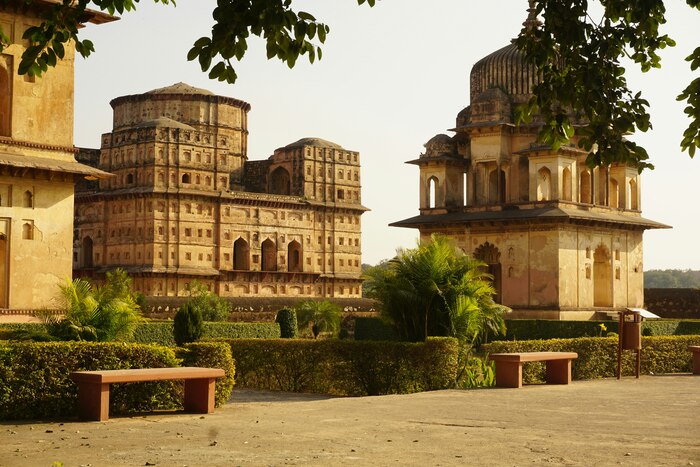
Location: Niwari district, Madhya Pradesh
Spiritual Significance: Once the capital of the Bundela rulers, Orchha is home to the unique Ram Raja Temple, the only temple in India where Lord Rama is worshipped as a king. The town is also filled with grand palaces, painted temples, and medieval architecture that bring history vividly to life.
Key Temples: Ram Raja Temple, Chaturbhuj Temple, Lakshmi Narayan Temple
Best Time to Visit: October to March
Famous Festivals: Ram Navami, Diwali
Which Is the Most Famous Temple in Madhya Pradesh?
Whenever people think of Madhya Pradesh’s temples, one name immediately comes to mind: Mahakaleshwar Jyotirlinga in Ujjain. This is one of the most recommended places to visit in Madhya Pradesh. One of the 12 Jyotirlingas of Lord Shiva, Mahakaleshwar Jyotirlinga is among the holiest temples in India.
Apart from Mahakaleswar, the Khajuraho and Ujjain temples hold immense importance in Indian history. If you want to witness the unique architecture, consider paying a visit to Khajuraho’s 22 temples.
What makes these temples famous are their erotic carved sculptures. Beyond being just sensual artwork, these carvings represent a holistic perspective of life in ancient India- embracing love, desire, spirituality, and many other expressions. Furthermore, Khajuraho’s temples are recognized as a UNESCO World Heritage site, making them one of the most famous temples in Madhya Pradesh.
Travel Tips for Visiting Sacred Places in Madhya Pradesh
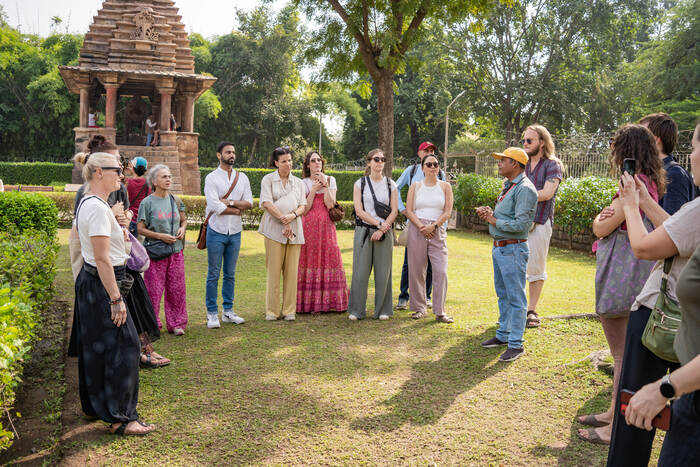
Choose When You Visit Wisely
The best time to explore Madhya Pradesh’s sacred sites is between October and March, when the weather is cool, dry, and comfortable. Days are pleasant for walking through temple complexes, river ghats, and hill towns, while evenings are calm and clear, ideal for outdoor rituals and sightseeing.
From April to June, temperatures can rise above 40°C, making travel and temple visits exhausting, especially in central plains like Khajuraho and Ujjain. The monsoon season (July to September) brings lush greenery but also heavy rainfall, slippery roads, and occasional travel delays.
If you want to experience festivals like Diwali, Maha Shivaratri, or the Khajuraho Dance Festival, the winter months offer both comfort and cultural vibrancy, the perfect time to see Madhya Pradesh at its most alive.
Dress Appropriately
When visiting temples and sacred sites in Madhya Pradesh, modesty shows respect for local traditions. While most temples don’t have strict dress codes, it’s best to wear clothing that covers your shoulders and knees. Lightweight cotton or linen is ideal for comfort in India’s warm climate.
Carry a scarf or shawl, as some temples, especially those dedicated to female deities, may ask visitors to cover their heads. Footwear is always removed before entering temple areas, so wear shoes that are easy to slip on and off.
Take Photos Respectfully
Many temples and sacred sites in Madhya Pradesh have restrictions on photography, especially inside sanctums or during prayer rituals. Always look for signboards or ask temple staff before taking photos. Avoid using flash during ceremonies, as it can disturb both devotees and priests. Being mindful with your camera shows respect for the sacred energy of these spaces.
Plan Your Trip Length
If you’d like to visit several major sites such as Ujjain, Maheshwar, Sanchi, and Khajuraho, plan for at least 7 to 10 days. This allows enough time to travel between regions without rushing.
To experience all ten sacred destinations mentioned in this guide, set aside 12 to 14 days. A slower pace gives you time to join the morning aartis, explore local markets, and take in the cultural rhythm of each place.
Join a Yoga Teacher Training
To truly connect with India’s spiritual roots, consider spending part of your trip at a traditional ashram or joining a yoga teacher training in Madhya Pradesh. Immersing yourself in daily practice, philosophy classes, and meditation offers a deeper understanding of yoga beyond the physical poses.
Also Read: How to Practice Yoga While Traveling: 6 Tips for Every Practitioner
Final Thought
There are dozens of sacred places to visit in Madhya Pradesh, but for those who feel called to go beyond visiting and truly live this tradition, a Yoga Teacher Training at Arhanta Yoga Ashram India offers that next step. It’s where you learn from teachers who carry generations of knowledge, wake up to the sound of mantras, and experience yoga as a complete way of life.

Holistic Hatha Sequencing for Practitioners & Teachers
Get 17 primary asanas and key principles for a balanced practice sent straight to you.