
Yoga teacher salary varies widely depending on location, experience, certifications, and teaching format. In 2026, most full-time yoga teachers earn between ₹3 lakh and ₹10 lakh per year in India, £20,000–£40,000 in the UK, and $30,000–$100,000 in the US. Freelance yoga teachers and private instructors may charge anywhere from ₹500 to ₹2,000+ per class or session depending on their niche and reputation.
To help you understand what you could realistically earn as a yoga teacher, this guide compares salary ranges, teaching formats, and income opportunities across different countries and yoga markets.
Over the past 12+ years in yoga education, we’ve seen yoga teachers build careers in many different ways, from part-time studio teaching to full-time work through private sessions, retreats, online programs, and teacher trainings.
But yoga income is rarely predictable at the beginning. A teacher’s earning potential depends heavily on their training, niche, communication skills, business structure, and ability to build long-term student relationships.
This guide breaks down what yoga teachers realistically earn today across different countries, teaching formats, and career stages.
How Much Does a Yoga Teacher Make in 2026?
A yoga teacher’s income depends on where they teach, how experienced they are, and whether they work freelance, in studios, online, or with private clients. In India, many full-time yoga teachers earn between ₹20,000 and ₹50,000 per month. Experienced teachers running private sessions, retreats, teacher trainings, or corporate programs can earn significantly more.
- Studio yoga teachers: ₹20,000–₹40,000/month
- Corporate yoga instructors: ₹40,000–₹1 lakh+/month
- Freelance yoga teachers: ₹500–₹2,000 per class
- Private yoga sessions: ₹800–₹3,000 per hour
- Online yoga programs: income varies widely based on audience and niche
What Factors Influence a Yoga Teacher Salary?
Your income as a yoga teacher isn't set in stone. It’ll shift based on several key factors that can make a real difference to your income. Let's break down what actually impacts a yoga teacher salary:
Teaching Environment and Format
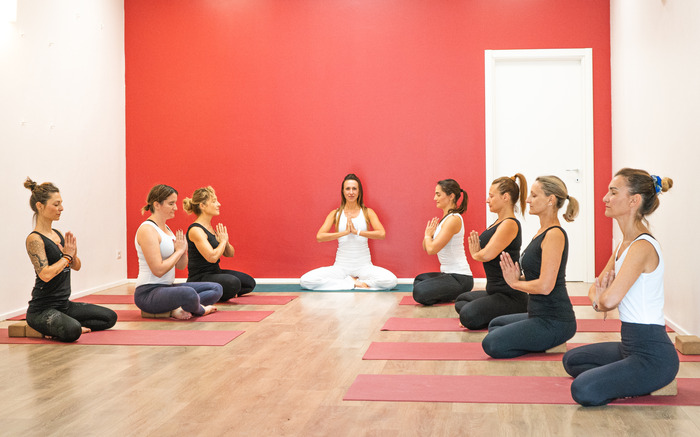
The way you teach yoga has a direct effect on your income. Studio classes usually provide steady work, while private sessions, corporate programs, and retreats often pay significantly more per hour.
Corporate classes often bring the highest earnings. As modern yoga has grown, more companies are seeing the practice as a valuable employee wellness benefit, and they’re willing to pay for quality teaching. Since you're working directly with businesses rather than through a studio or gym, you keep the full fee, making these classes especially valuable once you've established yourself as a teacher.
In many European cities, corporate yoga has expanded beyond traditional office classes into broader workplace well-being programs. Companies increasingly look for teachers who can support stress reduction, posture health, nervous system regulation, and employee wellbeing in practical and accessible ways. Teachers who understand professional workplace environments and communicate clearly with corporate clients often build more stable recurring contracts over time.
Teachers who stay in the industry long-term usually build income gradually. In many cases, private clients and repeat students become more financially reliable than depending only on studio schedules.
Location and Market
Where you teach matters more than you might think. Yoga teachers in large cities such as New York or London often earn above national averages, although living costs and competition are also significantly higher. Recent compensation trends published by ZipRecruiter indicate that yoga teachers in major metropolitan areas may earn significantly above broader national averages depending on demand, specialization, and client base.
However, working in bigger cities also comes with more competition and higher living costs. In India, yoga teachers in cities like Mumbai, Bangalore, Delhi, and Ahmedabad often charge higher rates than teachers in smaller towns because of stronger wellness demand and higher living costs. Indeed salary insights across multiple countries show that yoga teachers working in larger urban wellness markets often charge higher rates than those teaching in smaller towns or rural areas.
Sometimes, teaching in smaller cities or suburban areas can actually work in your favor, less competition often means more opportunity to establish yourself and build a loyal following.
Experience and Credentials
Your training and time on the mat definitely count. New teachers usually start at the lower end of the pay scale, but can request higher pay rates or apply to senior positions with better salaries as their experience grows. Many studios now prefer teachers with at least a 200-hour yoga teacher training certification, especially for full-time or international teaching roles.
If you don't have extensive experience yet, become an expert in a field or style of yoga you feel passionate about. This gives you an edge that many teachers might not have while deepening your own path as a practitioner. Specialized training can change the type of students you attract. PayScale’s salary research also suggests that yoga teachers with specialized skills, private clients, or additional certifications often earn higher long-term income than teachers relying only on general studio classes.
Teachers trained in prenatal yoga, restorative yoga, or yoga for back pain often build more consistent demand because they solve specific problems students are actively searching help for.
In many studios and retreat centers today, teachers with comprehensive training and strong practical teaching skills are often preferred over teachers who only hold minimal certification requirements. Employers increasingly look for confidence in sequencing, student safety, anatomy knowledge, and communication, especially in more competitive wellness markets across Europe and North America.
In practice, many yoga teachers find that general group classes alone rarely create stable long-term income. Teachers who build expertise in a specific area, such as stress management, mobility, back pain support, prenatal yoga, or yoga for older adults, often develop stronger student retention and more consistent referrals over time. In many European wellness markets especially, students increasingly look for teachers who can address a clear need rather than offer only general classes.
Remember, each style of yoga offers something different, so do your research and choose a training that’s right for you while also filling a gap in your community.
Discover: Which Yoga Style Is Best for You? Hatha Yoga vs Vinyasa vs Yin
Contract Type
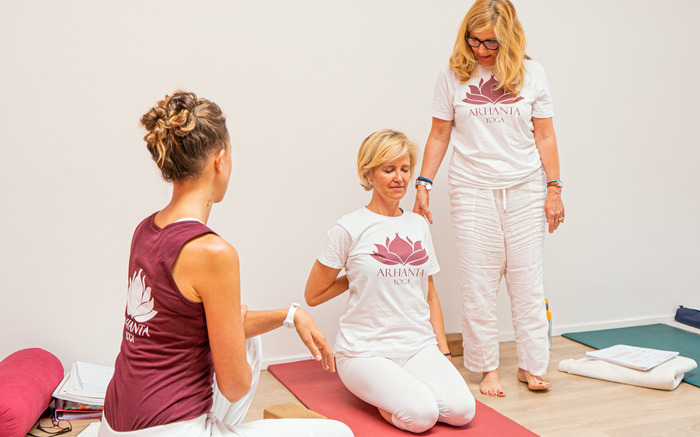
One of the biggest choices you'll make as a yoga teacher is how to structure your work. Each option comes with its own trade-offs between freedom, security, and how much you can earn as a yoga teacher:
- Freelance: Freelance yoga teachers tend to earn more per class and have complete freedom over where and when they teach. You will be responsible for your own taxes, insurance, and dealing with quiet periods over low seasons.
- Part-Time: This gives you some stability with regular classes and a stable salary. Depending on your employer, you might get some basic benefits too. For those starting out, teaching part time is a great way to build your teaching experience while keeping a steady pay check.
- Full-Time: As a full-time yoga teacher, your hourly rate might be lower, but you're getting reliable pay, health insurance, vacation time, and often opportunities to grow within the studio. It's less common, but larger studios and gyms often prefer having dedicated full-time teachers.
- Business Owner: Whether you're opening your own studio or building an independent teaching business, this path usually offers the highest pay for yoga teachers. It’s also the most challenging, you'll be managing everything from rent to staff schedules, but you get to shape your own yoga community.
Also Read: 7 Must-Do’s for Opening and Running a Successful Yoga Studio
Yoga Teacher Salary by Country in 2026
How much yoga teachers earn depends on their location, experience, certifications, and teaching format. Some teachers work part-time and earn supplemental income, while others build full-time careers through studio classes, private sessions, retreats, corporate programs, or online teaching. In countries with strong wellness industries, experienced yoga teachers can earn significantly higher rates.
It’s clear that many factors determine your income as a yoga teacher, but where you teach often makes the biggest difference. Below is a comprehensive and up-to-date comparison of how much yoga teachers make per hour and annually across different countries.
Country | Yoga teacher salary per hour | Yoga teacher salary per year |
|---|---|---|
United Kingdom | £16 | £33,745 |
Germany | €14 | €29,408 |
Switzerland | ₣22 (CHF) | ₣45,503 (CHF) |
France | €11 | €22,969 |
Spain | €9 | €18,873 |
Greece | €13 | €26,628 |
Italy | €10 | €19,995 |
United States of America | $34 | $55,670 |
Canada | $17 (CAD) | $36,446 (CAD) |
Australia | $23 (AUD) | $48,073 (AUD) |
India | ₹168 (INR) | ₹3,50,164 (INR) |
Thailand | ฿114 (TBH) | ฿236,961 (TBH) |
Bali, Indonesia | Rp57,167 (IDR) | Rp118,908,272 (IDR) |
*The yoga teacher pay rates shown above for each destination are sourced from ERI SalaryExpert's database in 2025, with further verification from Indeed, Payscale, Glassdoor, and ZipRecruiter. Salaries have been rounded off to the nearest whole number.
Where Do Yoga Teachers Make the Most Money?
Among the countries reviewed, Switzerland appears to offer some of the highest average yoga teaching rates, although living costs are also substantially higher. Keep in mind that salary figures don't tell the whole story. Yes, yoga teachers in Switzerland earn the most, but they're living and working in one of the world's most expensive countries.
Note: Salary figures are estimates based on publicly available data from ERI SalaryExpert, Indeed, Glassdoor, Payscale, and regional job listings accessed in 2025–2026. Actual yoga teacher income can vary depending on teaching hours, business structure, certifications, and local demand.
If you're teaching in places like Bali or Thailand, you might earn around €7,000 annually, which looks low on paper, but goes much further due to lower living costs.
Read: How Much Does It Cost to Become a Yoga Instructor?
Yoga Teacher Income by Teaching Type
Teaching Format | Average Income Potential |
Studio Classes | Stable but moderate |
Private Sessions | Higher hourly income |
Corporate Yoga | High-paying recurring contracts |
Retreats & Workshops | High seasonal earnings |
Online Courses | Scalable passive income |
Teacher Trainings | Premium long-term income |
What Separates Yoga Teachers Who Build Stable Careers?
One of the biggest differences between yoga teachers who continue teaching long-term and those who stop after a few years is professional foundation.
Many new teachers enter the industry with strong passion for yoga but limited understanding of sequencing, anatomy, student psychology, communication, or how to adapt classes for different populations. Over time, this often affects confidence, student retention, and career sustainability.
Teachers who tend to build more stable careers usually develop:
- Strong teaching methodology
- Consistent class structure
- Clear verbal communication
- Understanding of anatomy and safety
- Ability to work with different student needs
- Professionalism and reliability
- A clear teaching niche or specialization
In many countries today, students are also becoming more selective. Rather than looking only for charismatic instructors, many students now prefer teachers who can provide safe, structured, and purposeful guidance.
For this reason, choosing a comprehensive yoga teacher training often plays a major role not only in certification but also in long-term teaching confidence and professional development.
How to Increase Your Yoga Teacher Income?
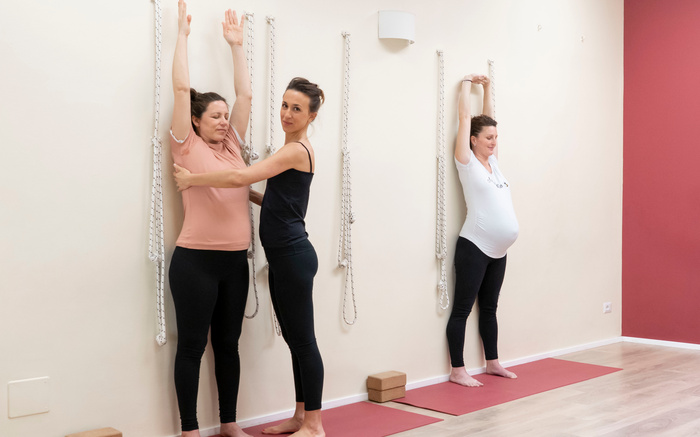
In practice, many full-time yoga teachers rarely depend on one income source alone. A teacher may combine weekly studio classes with private clients, corporate sessions, workshops, retreats, online memberships, or teacher trainings throughout the year.
This diversification often becomes necessary because studio schedules, seasonal demand, and student attendance can fluctuate significantly across different periods of the year.
Today, many teachers are creating online content to boost their brand identity and build a community of online students, but this is just one path. Below are a few other approaches that can help you earn more as a yoga teacher while keeping your personal practice alive:
Offer More Class Options
Instead of relying entirely on drop-in studio classes, many experienced teachers gradually create more predictable income through recurring student relationships. This may include small-group programs, private packages, beginner courses, therapeutic-focused series.
In practice, students who commit to structured programs often attend more consistently than occasional class visitors. For teachers, this creates greater financial stability while allowing deeper student progress and stronger long-term trust.
Take Your Teaching Online
Since online yoga became more mainstream after 2020, many teachers now combine in-person and digital teaching to create more stable income throughout the year.
Teachers who succeed online long-term usually focus on solving one clear problem for a specific audience instead of trying to appeal to everyone. Programs centered around stress relief, mobility, beginner yoga, healthy aging, burnout recovery, or back care often perform better than broad “general yoga” offerings because students immediately understand the value and relevance to their lives.
Lead Retreats and Workshops
Although a retreat might be intimidating to organize, they can boost your income as a yoga teacher, especially during those slow periods. Start locally with weekend workshops focused on specific themes or practices.
If you don’t have the time to arrange retreats, you can also consider partnering with established retreat centers or booking platforms to handle logistics while you focus on teaching.
Strengthen Your Expertise
You could choose certifications that align with your students' needs, like Restorative Yoga for those managing daily stress or Postnatal Yoga if you work with a lot of women.
Each specialty can increase your hourly rate and attract dedicated students. If you're considering growing beyond teaching into running your own studio or broader yoga business, a targeted yoga business coaching course might be best to provide essential skills for scaling your practice sustainably. Many teachers begin by completing a foundational 200-hour yoga teacher training before later specializing in areas such as restorative yoga, prenatal yoga, or therapeutic applications.
The Reality Behind Yoga Teacher Income
Yoga teaching income is rarely linear. Many teachers experience seasonal fluctuations, changing student demand, inconsistent studio schedules, and periods of financial uncertainty, especially during the first few years of teaching.
In most countries, only a small percentage of teachers rely on studio classes alone as their primary long-term income source. Many eventually combine teaching with workshops, retreats, online programs, private sessions, or related wellness services to create more stability.
For this reason, building a sustainable yoga career usually depends not only on teaching ability, but also on communication skills, professional relationships, consistency, and the ability to adapt to changing student needs over time.
Final Thought
Teaching yoga can become a meaningful long-term career, but sustainable income usually develops gradually through experience, student trust, continued learning, and professional development. Many teachers eventually combine studio teaching with private sessions, workshops, retreats, online programs, or specialized offerings to create greater stability over time.
For aspiring teachers, strong foundational training often plays an important role not only in certification, but also in long-term confidence, teaching quality, and career growth.
If you feel drawn toward teaching professionally, Arhanta’s 200-hour yoga teacher training provides structured education in traditional yoga, anatomy, sequencing, teaching methodology, and practical teaching skills to help future teachers build a strong professional foundation in the modern wellness industry.
Holistic Hatha Sequencing for Practitioners & Teachers
Get 17 primary asanas and key principles for a balanced practice sent straight to you.