

Yoga continues to grow worldwide, with millions of people practicing regularly for physical health, stress relief, and overall well-being. If you’re one of these passionate practitioners, then the thought of becoming a yoga instructor has probably crossed your mind more than once.
As the founder of Arhanta Yoga Ashrams and a yoga teacher for over 23 years, I’ve trained more than 21,000 students from across the world, many of whom battled with the same questions you might be asking right now. To help you take the next step in your career with confidence, this guide covers how to become a yoga instructor, from qualifications and insurance to costs and career guidance.
Becoming a yoga instructor usually starts with completing a certified 200-hour Yoga Teacher Training course. From there, teachers build experience through regular practice, continued education, and hands-on teaching. If you are wondering how to become a yoga instructor, this guide explains the full process step by step.
What Do You Need to Become a Certified Yoga Instructor?
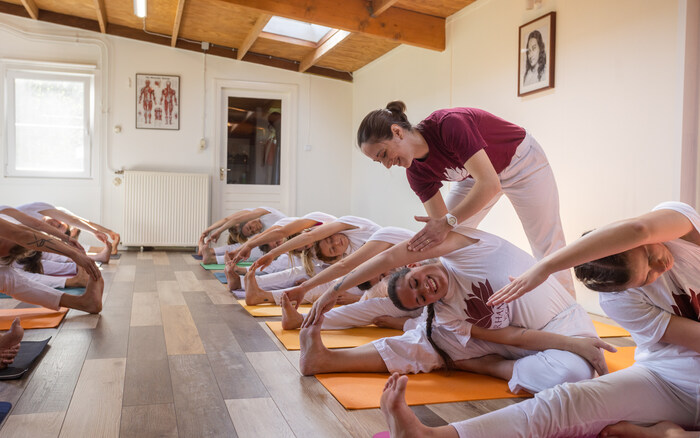
Generally speaking, anyone with the passion and desire to learn yoga can become a yoga teacher. However, there are a few requirements yoga associations and studios expect you to have, such as a 200-hour yoga teacher training course (Yoga Level 1) and some teaching experience.
Qualifications
Most studios and yoga organizations consider a 200-hour Yoga Teacher Training (YTT) course the minimum qualification for teaching yoga professionally. This foundational certification teaches anatomy, yoga poses, breathing techniques, philosophy, meditation, and teaching methodology.
Once you become yoga certified, you receive a 200-hour yoga instructor certification that is internationally recognized by studios, gyms, and professional yoga associations. With this certification, you are also eligible to become a Level 1 – RYT 200 (Registered Yoga Teacher 200 Hours) with Yoga Alliance.
Experience
If you want to become a yoga teacher, some yoga experience is recommended before you enroll in a 200-hour YTT, although not required.
At Arhanta Yoga Ashrams, we have complete beginners enroll with very little experience. While hesitant at first, our 21-day, intensive yoga teacher training course is designed to equip students with the skills, knowledge, and confidence to begin teaching almost immediately. However, some students may need more time or a different learning environment, everyone is different. Some students become confident teachers quickly, while others need more time practicing before they feel ready to lead classes independently. This is completely normal. Teaching skills develop through repetition, observation, and real classroom experience.
It’s important to note that many yoga jobs prefer a year of hands-on experience and a proven track record of teaching yoga. Early teaching experience matters more than many new instructors realize. Teaching small community classes, friends, or beginner students helps build confidence much faster than only studying theory.
License & Legal Requirements
In most countries, you do not legally need a license to teach yoga. However, studios and employers usually expect teachers to complete a recognized yoga instructor certification and carry liability insurance.
It’s also strongly advised to have yoga teacher insurance before you start teaching, especially in public or studio settings. This protects you in case of injury claims and is often required by studios, gyms, or retreat centers.
How to Become a Yoga Instructor?
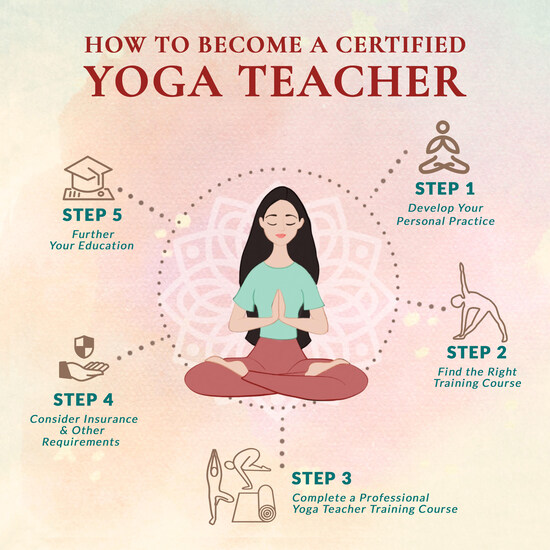
To become a yoga instructor, start by completing a 200-hour yoga teacher training course at an accredited school. While optional, registering with a professional yoga alliance is recommended. After certification, you can join a studio, further your education, or start your own business—every practitioner’s path will be unique.
Below is a detailed guide that you can follow for each of the major steps to becoming a certified yoga instructor. Many students feel pressure to start teaching immediately after certification. In reality, confidence grows steadily through regular practice, observation, and teaching real students over time. Even experienced teachers continue learning through daily practice, student feedback, and ongoing study. Every class teaches you something new about communication, movement, and the needs of different students.
Step 1: Develop Your Yoga Practice
While not mandatory, many yoga teacher training courses suggest developing your personal practice before enrolling, and I agree. This could be improving your physical fitness and flexibility by attending studio classes or following yoga philosophy lessons on YouTube to deepen your understanding of the practice, anything to jumpstart your studies and understanding of yoga at a deeper level. Students who already practice yoga regularly usually feel more comfortable during teacher training. Even practicing 3–4 times a week for several months can help you better understand alignment, breathing, and class structure before starting a 200-hour course.
This period is also great for exploring the many different styles of yoga, such as Yin, Hatha, and Vinyasa Flow, to name a few. When you feel that you have a basic understanding of yoga and what it's like to be a yoga teacher, you will be ready to enroll in a 200-hour YTT.
Step 2: Find & Complete a Yoga Teacher Training
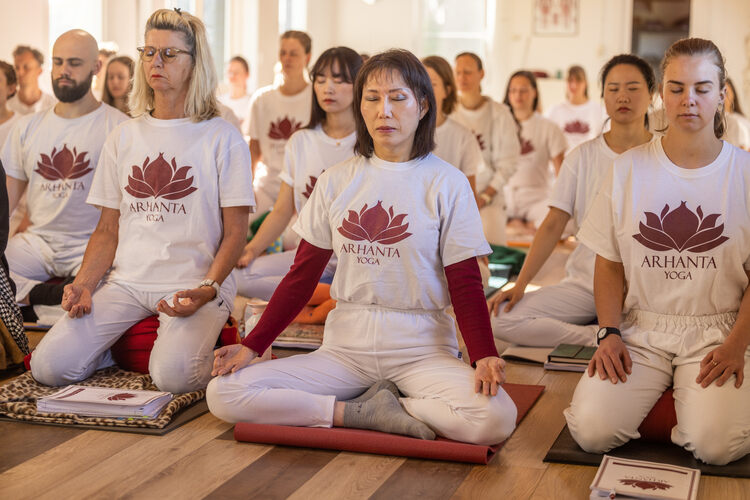
To become a certified yoga instructor, you usually need to complete a 200-hour yoga teacher training course from a recognized school. These programs teach yoga postures, anatomy, philosophy, pranayama, meditation, and supervised teaching practice. For most beginners, a 200-hour Yoga Teacher Training course is the best starting point. It gives you the foundational skills needed to teach yoga safely and confidently. If you later want deeper knowledge or advanced teaching opportunities, you can continue with a 300-hour or specialized training.
Choosing the right yoga instructor certification course is one of the most important steps on this journey. Before you decide, do some research and consider factors like the following:
- Cost: How Much Does It Cost to Become a Yoga Instructor?
- Course level: 50-, 100- & 200-Hour Yoga Certification Courses? Differences Explained
- Learning style: What Is Intensive Yoga Teacher Training? Is It for You?
- Location: Why You Should Learn to Teach Yoga in India
There’s also the choice between online programs for practitioners that don't have the time or funds to study abroad and residential programs at an ashram for those wanting an immersive and intensive experience.
I’d suggest looking at the school’s course reviews and social media presence before making the final decision. This will give you a better understanding of the training experience offered and if it's right for you.
Once you’ve found the right school and course, enroll and complete your training. Students who participate fully in discussions, teaching practice, and self-study usually leave training feeling far more prepared for real teaching situations.
The best course for you depends on your goals, learning style, and preferred yoga tradition. Some students prefer an intensive residential course in India, while others learn better through part-time or online training. Before enrolling, check the curriculum, teacher experience, certification recognition, and student reviews carefully.
Step 3: Consider Insurance & Other Requirements
Another common question I hear is, "Do you need a license to be a yoga instructor?" There are no legal requirements to become a yoga teacher. However, to practice yoga safely, it is strongly advised to take out public liability insurance of at least $2 million to cover you in the event of injury and property damage. The fee will depend on your coverage level, insurance provider, and location, but for most, it’s usually a small monthly payment.
Insurance is especially important once you begin teaching group classes, private sessions, retreats, or online lessons.
Registering with an international yoga association or national body is also advised, although not mandatory, as it shows gyms and studios that you have been trained to a high standard. For some gyms and studios, it is a requirement to be a member of recognized yoga and physical activity organizations in the country. Most of these groups can be joined online using your yoga certification and might require an annual membership fee.
Step 4: Continue Educating Yourself

Many yoga instructors go on to complete an advanced 300-hour yoga teacher training course to gain a deeper understanding of yoga and become a Level 2–RYT 500. Different from a 200-hour YTT, this course provides in-depth lessons on advanced yoga philosophy and physiology, as well as various other yoga styles like Vinyasa and Yin Yoga.
Continuing education is not only about collecting certifications. Many experienced teachers revisit foundational topics like alignment, breathwork, and communication because teaching different students often reveals new challenges and learning opportunities.
If you're an RYT or an Experienced Registered Yoga Teacher (E-RYT), you'll need to complete 75 hours of Continued Education every three years after your first registration to keep your certification status. 45 hours should be spent teaching yoga, while the remaining 30 can be done through online yoga teacher training courses or other distance learning options.
As a result, many teachers enroll in shorter 50-hour courses that explore yoga styles a 200-hour YTT only briefly touches on, such as Yin, Prenatal, and Yoga Nidra. These not only broaden your skills in different yoga styles, meditation, and pranayama but also help keep your own yoga practice alive.
At the end of the day, the most important thing to remember is that yoga is a lifelong journey of growth and continuous learning. Although I have 40,000+ hours of experience, I am still learning from my students and take every opportunity to continue my studies in yoga.
How Long Does It Take to Become a Yoga Instructor?
Most people become certified yoga instructors after completing a 200-hour training course. Depending on the program format, this can take anywhere from 3 weeks to several months.
For instance, at Arhanta Yoga, we offer a 3-week intensive yoga teacher training course designed to challenge and shape students into confident, well-rounded yoga teachers in only 21 days. The fast pace and full days of yoga practice, teaching methods, anatomy study, and philosophy classes make for a concentrated yet transformative experience.
There are many benefits of this accelerated approach, especially in terms of personal and professional growth. But when choosing a YTT, it’s essential that you take into account your specific budget, learning style, and what you hope to gain at the end of the course.
It's also important to note that becoming a yoga instructor is a continuous learning process. Even after you get certified to teach yoga, you should continue learning new techniques and styles, which can take a lifetime.
Can You Complete a Yoga Instructor Certification Online?

Yes, you can definitely complete a yoga instructor certification online. There are several benefits and drawbacks to getting certified online. If you need more time or the funds for an in-person yoga teacher training course, then an online course provides complete flexibility and comprehensive training without putting strain on your pockets. That said, completing a yoga teacher training at a traditional ashram is a life-changing experience that offers interactive training, unique cultural experiences, and lifelong friendships.
At Arhanta Yoga, we have an online academy with numerous teacher training programs that can be completed from anywhere and at any time. These online yoga courses include in-depth video instruction, reading materials, and assignments that can all be done online. Although you won't have the personalized guidance of a residential yoga teacher training, online courses at Arhanta Yoga provide lifetime support from your trainer.
Do You Need to Register with a Yoga Association?
It is recommended that new teachers register as a member of a yoga association or alliance after completing a yoga instructor certification. This shows prospective employers and students that you are qualified and uphold the high standards set by an independent organization.
There are also independent groups in the UK, USA, and Europe that share the latest yoga developments and provide trainings that meet the necessary requirements, but it is not compulsory to be a member.
How Much Does a Yoga Instructor Make?
Practitioners wanting to become certified yoga instructors often ask if it’s possible to maintain a fulfilling and financially stable life in this career. The answer is yes; there are numerous ways you can turn your passion into a successful career. Of course, your yoga teacher salary will depend on your experience, location, and the path you choose to take as an instructor, but on average, a yoga instructor can earn a decent living.
Additionally, some yoga instructors may choose to work independently by offering private classes or teaching at various studios or gyms. In this case, their income may be based on the number of classes they teach and the rates they charge.
It's important to note that earning a high salary isn't the only consideration when becoming a yoga instructor. Many choose this career path for their love of teaching and helping others. Ultimately, the joy and satisfaction of being able to help someone improve their life and well-being through yoga is priceless.
Learn more: How I Turned My Passion into Profit: Lessons from a Successful Yoga Business OwnerWhat Can You Do As a Certified Yoga Instructor?
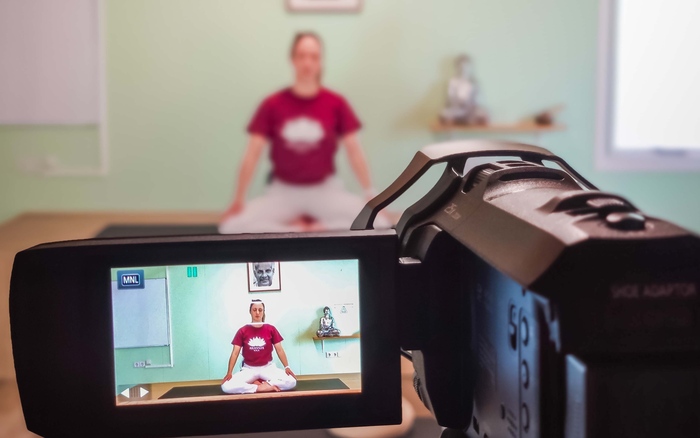
Outside of teaching yoga at a studio or gym, there are many different ways to make a living as a yoga teacher, such as managing a retreat center or even starting a YouTube channel. Newly certified yoga instructors tend to work at smaller, local studios first before going on to work in large gym settings or retreats. Some also go off to specialize in specific styles like Prenatal or Kids and Teen Yoga, helping others heal and find balance in their lives through yoga.
If you are a newly certified yoga instructor and struggling to find a job due to experience or a lack of connections, try taking classes at the studios you’d like to teach at and introduce yourself to the trainers and owners. By building a relationship with the managers and other employees, you get a foot in the door and are much more likely to be hired.
It’s also very popular for new teachers to rent a studio space and provide their own classes, perhaps at a reduced rate at first while building their client base. Sharing yoga tutorials and tips on social media platforms like Instagram is another great way to get exposure in the community and kickstart your career.
For many mid-senior teachers, the next step after working as a yoga teacher is to start your own yoga business. There are various avenues you can take, each with its own unique challenges, so enrolling in a yoga business course can provide useful tips and guidance in your personal journey.
Final Thought
Taking the first step and starting a yoga teacher training course is by no means easy. But the journey will lead you on an endless road of personal growth and self-exploration that'll change your life forever.
If you're ready to take that step, Arhanta Yoga's 200-hour Yoga Teacher Training is available in India, the Netherlands, and online and has prepared teachers from over 100 countries for real classrooms. Explore upcoming course dates and find the format that works for you.
Holistic Hatha Sequencing for Practitioners & Teachers
Get 17 primary asanas and key principles for a balanced practice sent straight to you.
