
You've probably heard it from every yoga teacher under the sun: there's no place quite like India to take your practice to the next level. And they're right. In India, yoga isn't just something you do on a mat—it's a way of life. It's the motherland of yoga, where the ancient asanas and philosophies that shape our practices today first took root. But if it's your first time traveling to India for a yoga course, your teachers would have also told you the number rule: come prepared.
If you’re going on a yoga teacher training in India and need a local to show you the way, you're in the right place. This India travel guide is packed with insider tips from local teachers and all the essential guidelines you need for your trip and training. From what to pack to how to handle local customs and India travel visas, this is what you need to know.
Why Complete Your Yoga Teacher Training in India?
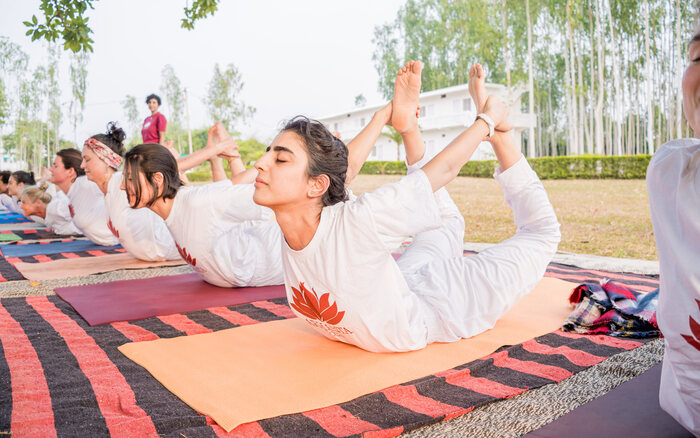
There are many reasons why you should choose India for your yoga teacher training course, but perhaps the most obvious is that it’s the birthplace of yoga itself. The practice of yoga has a rich heritage in India that dates back thousands of years, with its origins found in the ancient texts known as the Vedas.
The foundational texts of yoga, including the Yoga Sutras of Patanjali, played a significant role in shaping the philosophy and practice of yoga as we know it today. Patanjali's teachings laid out the eight limbs of yoga, providing a comprehensive framework for spiritual growth and self-realization. Over time, various yoga schools emerged in India, weaving the practice into the local culture, religions, and lifestyle.
Apart from yoga’s profound past here, embarking on a yoga teacher training in India gives students the opportunity to study under experienced teachers who have grown up immersed in this rich heritage, sometimes for generations. Yoga schools in India, such as Arhanta Yoga, follow the traditional ‘Gurukula' system, which encourages students to study closely under their teachers, learning to practice yoga as a way of life rather than just a series of postures on a mat.
The ashram experience in India is just as transformative. Immersing yourself in an authentic yogic lifestyle, you’ll eat, sleep, and practice yoga like the founding fathers intended it to. Practicing traditional Hatha Yoga in the peaceful Indian countryside with like-minded students also adds another layer to your learning experience. Many students leave feeling more connected to nature, their practice, and themselves in only a few weeks.
To go deeper into this, explore 12 Reasons Why You Should Learn to Teach Yoga in India
What Most Students Don’t Expect When Traveling to India for YTT
Many students carefully plan their yoga teacher training in India, yet still feel unprepared for the reality of arrival. The biggest surprise is not the training itself, but the pace, environment, and changes in routine.
Remember, traveling to India can feel intense at first. The traffic, sounds, and unfamiliar routines may feel overwhelming, especially if this is your first time visiting. However, this initial discomfort usually settles within a few days. Once you enter the structure of a yoga teacher training, such as a fixed schedule, simple meals, and daily practice, you will find a sense of discipline and stability.
One of our recent students shared that her biggest concern was traveling alone to India. Within the first three days of training, she felt more supported and connected than she expected, simply because of the shared routine and group environment.
This is important to remember: You are not navigating India alone; you are becoming part of a supportive community that will guide and uplift you throughout your journey.
If you want to understand this experience better, read our complete blog on Digital Detox in India: What 21 Days Without Screens in Rural India Can Do
Complete India Travel Guide for Yoga Students [2026]
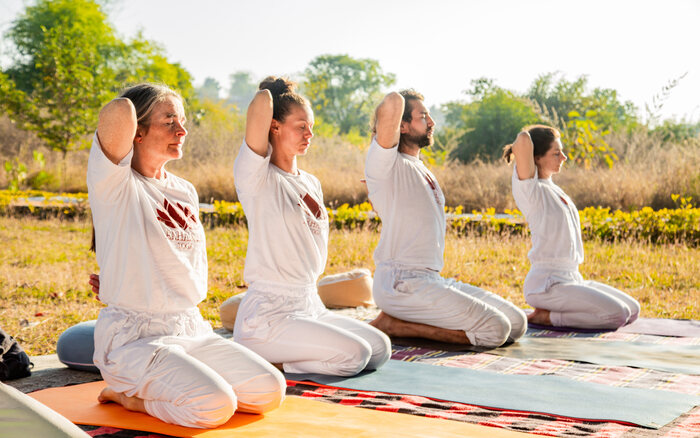
Traveling and planning your journey to India might feel like a big step, but with the right information and advice, it can be a life-changing adventure. Developed with local insights and the latest info, this India travel guide shows you the best way to plan your yoga teacher training trip, including visa requirements, local customs, and travel tips for first-time explorers.
Best Time to Travel to India
India's climate varies quite a bit depending on where you go, so it's important to plan your trip according to the weather. Generally, the best time to travel to India for a yoga teacher training course is during the cooler, drier months, which typically fall between October and March. This period offers comfortable temperatures and mostly clear skies, making it ideal for outdoor asana practice and exploring the sights.
If you are looking for a course in the middle of the year, then Europe is a safer bet. Even if you're not in India, you can still find authentic Indian training programs here. Countries like the Netherlands and Italy boast sunny days and warm temperatures from April through late August.
India Visa Requirements
Most international travelers need a visa when visiting India. But the good news is the process is relatively quick and easy.
For travelers with passports from the UK, Ireland, the US, Canada, Australia, New Zealand, South Africa, and several other nations, obtaining an e-Tourist visa through the Indian government's official online portal is straightforward. Depending on the duration of your course and travel plans, you can choose from a 30-day, 1-year, or 5-year e-Tourist visa for your trip.
When applying for your visa, remember to select “tourist” for the reason of your visit if you're also exploring India, or “short yoga course” if you’re only visiting the ashram. Avoid "study" as this is for official government institutions like universities. Making this mistake could complicate or delay your application.
To ensure no hiccups on your journey, we recommend applying for your e-Tourist visa at least 4 days before you plan to arrive. During the application process, travelers will need to provide:
- Travel plans
- A recent photograph (following government specifications)
- Copy of the passport page with personal details such as name, date of birth, etc.
- Payment
Once approved, travelers will need to print the e-Tourist visa and take it with them to India to enter the country safely.
For more information, check: India Travel & Visa Registration Tips for Arhanta Yoga Students
Yoga Culture & Etiquette in India

Eating
When it comes to eating etiquette in India, there are a few cultural norms to keep in mind. In India, people usually eat with their right hand, as the left hand is traditionally seen as unclean. So, if you want to blend in with the locals, tuck into your meals with your right hand only. It's also customary to wash your hands before and after a meal.
As for diet, India offers a diverse culinary landscape, with each region boasting its own unique flavors and dishes. Many Indian people follow the principles of Ayurveda, which takes a holistic approach to nutrition and emphasizes balance. In Ayurveda, meals are specific to your dosha make-up and often include a variety of flavors, textures, and spices to promote overall well-being.
If you're staying at an ashram, expect simple, vegetarian meals that are both nutritious and balanced. Meals are often eaten in silence or with minimal conversation, allowing for a mindful and meditative eating experience.
Temples & Religious Sites
In India and other Asian countries, understanding temple etiquette is key to respecting local customs and traditions. In most places, it's important to dress modestly, covering shoulders and knees, especially at a temple.
While many religious sites in India have become tourist attractions, they are still active places of worship where locals come to pray daily. If you plan to visit one of these places after your yoga training in India, remember to be respectful. When entering a temple, remove your shoes and speak softly. Many temples also prohibit photography inside sacred areas, so be mindful of signage and local customs.
Ashram Life
At a traditional yoga school in India, life follows the rhythm of nature. Each day starts early, greeting the dawn with a series of Sun Salutations and practices to nurture body, mind, and spirit. From meditation and pranayama to simple yet nourishing meals, every activity serves a purpose.
This traditional ashram experience is also designed to help yoga students journey deep within, question their habits, and uncover hidden truths about themselves. Through this immersive experience, practitioners learn to appreciate the simple things in life and gain valuable insights into their own existence.
Click here to get a clear understanding of Ashram Life in India
Getting to India

From the US
Yoga is incredibly popular in the US, with roughly 33.64 million Americans regularly rolling out their mats. As a major entry point to India, many travelers from the US and Europe fly directly to New Delhi, the vibrant capital city.
Flying is the most common and quickest way to reach India from the USA, covering about 7,375 miles in just over 17 hours. Flight prices can fluctuate throughout the year, but typically range from $430 - $1400 (€400 - €1300), according to Rome2Rio. It's wise to book in advance and compare fares on various booking platforms to find the best deal.
From the UK
Similarly, we host many UK students who make the trek to India each year to become qualified yoga teachers. While ashrams in Europe are closer for students traveling from the UK, those who want to study yoga in India must take to the skies for the fastest route. Flights to India from England usually last around 9 hours and can cost anywhere from £210 - £650 (€250 - €750).
Public Transport
Public transport is a lifeline for both locals and tourists in India. Buses are the most common mode of transport for long-distance travel, offering an affordable yet sometimes crowded option. Trains, on the other hand, form the backbone of India's transport network, connecting cities and towns across the country. With various classes available, from basic seating to luxurious sleeper cars, trains cater to a wide range of budgets and needs. However, it's essential to book train tickets well in advance, especially for popular routes.
For shorter distances or navigating within cities, auto-rickshaws and taxis are the best options, although be prepared to negotiate fares. Ride-sharing apps like Uber have also gained popularity in larger cities, so it might be worth looking into them for a more comfortable and reliable journey.
Tourist Safety
Many students ask me if it is safe to travel in India, and the answer is yes. But like any foreign country, a little caution goes a long way. When traveling in India, stick to well-lit and populated areas, especially at night, and keep an eye on your belongings in crowded places. It's also a good idea to keep your valuables tucked away and to use reputable transportation options to get around.
If you're exploring solo, keep your yoga school in the loop about your plans, and consider joining a group tour on your first trip. A general rule of thumb when traveling abroad is to always trust your instincts—if something feels off, remove yourself from the situation.
Local Currency
When you're traveling in India, it's essential to get a grip on the local currency, the Indian Rupee (INR). You'll find notes in easy denominations (5, 10, 20, 50...) and coins in values of 1, 2, 5, and 10. Cash is king in many places in India, especially in rural areas and smaller shops, so it's always handy to have some rupees on hand.
But if you prefer to travel cashless, major cities and tourist spots often accept card payments, and ATMs are relatively easy to come by. Just be cautious about where you exchange your money; stick to reputable banks or currency exchange offices to avoid any dodgy deals.
What to Pack for a Yoga Teacher Training in India
As you gear up for the transformative journey ahead, you might be wondering what to pack. You’ll find all the basics from your local corner shop here, but there are a few items you’ll need to bring along with you for a comfortable journey. Below is a handy packing checklist for your yoga teacher training course in India.
- Comfortable yoga clothes: Think breathable fabrics that allow for easy movement during your practice sessions.
- Lightweight layers: India's weather can change quickly, so pack light layers that you can easily add or remove depending on the temperature.
- Warm clothes: India can get very cold at the beginning of the year, so don’t forget to pack warm clothing for the cooler mornings and evenings.
- Sun protection: Remember sunscreen, sunglasses, and a hat to shield yourself from the sun during outdoor activities.
- Mosquito repellent: Especially if you're heading to more tropical areas, mosquito repellent is a must.
- Water bottle: Staying hydrated is key, so bring along a reusable water bottle to keep you fueled throughout the day.
- Yoga mat: While many places provide mats, having your own ensures you're comfortable during practice.
- Journal and pen: A journal can be a great way to reflect on your experiences and jot down any insights or learnings along the way.
- Travel adapter: India uses different plug sockets (3-pin round plug - Type D), so make sure you have an India travel adapter to keep your devices charged.
- Personal toiletries: While some accommodations provide basic toiletries, it's always handy to have your own shampoo, conditioner, and other essentials.
- Indoor slippers and socks: Bring clean and comfy footwear you can easily slip on and off when indoors.
- Comfortable walking shoes: Comfortable shoes for your morning strolls or walks.
- Working wristwatch: Make sure you have a working wristwatch with a second hand for timing classes in your yoga teacher training course.
- Alarm clock: Ensure you wake up on time for your morning activities.
- Torch/flashlight: Helpful for navigating dimly lit areas on your early-morning outings.
- Meditation shawl: Keep yourself warm and focused during outdoor morning meditation sessions.
Not sure what clothes to pack for India? Start with our guide: What to Wear in India: Dress Code & Clothing Guide for Yoga Students.
India Travel Tips for Yoga Students
Choose the Right Course
With countless yoga teacher training programs available in India, how do you choose the right one? It's important to do your research on the various courses available and choose a style and level that align with your goals, interests, and experience.
Embrace the Culture
India is a land rich in traditions and spirituality. Take the time to immerse yourself in the local culture, whether it's attending a traditional ceremony or sampling authentic cuisine.
Respect Local Customs
Be mindful of cultural norms and traditions, such as dressing modestly when visiting temples or removing your shoes before entering someone's home.
Practice Patience
India operates on its own unique sense of time, so be prepared for things to move more slowly than you may be used to. Don’t see this as a bad thing, though. Away from the stress and constant demands of your daily life, you can embrace the opportunity to slow down and enjoy the journey.
Pack Light
India's streets can be bustling and crowded, so pack light and bring only the essentials (see our checklist above for what to pack for a yoga teacher training in India). Remember to bring a small backpack or daypack to carry your belongings while exploring.
Be Open-minded
India is a diverse and eclectic country, full of contrasts and contradictions. Keep an open mind and be willing to embrace new experiences and perspectives.
Still concerned about safety? Read our guide on Is It Safe to Go on a Yoga Teacher Training in India Alone? The Solo Student’s Guide
Frequently Asked Questions About Yoga Teacher Training in India
Is India safe for solo female yoga students?
Yes, especially when you join a structured training program. Just make sure you choose a reputable school and follow basic travel precautions.
Do I need a visa for yoga teacher training in India?
Most students apply for a tourist visa. Requirements may vary country to country, so always check official guidelines before traveling.
Should I get a local SIM card?
Yes, you should. A local SIM card makes communication, navigation, and bookings much easier during your stay.
Can I use credit cards everywhere?
No. While cards are accepted in many places, cash is still widely used, especially in smaller towns.
How much money should I bring?
This completely depends on your lifestyle, but most students only need money for personal expenses, travel, and small purchases during the course.
Final Thought
Going on a yoga teacher training in India is no small step—it's both physically and emotionally challenging. Our survival guide for students offers crucial training and travel tips, but if there's one takeaway from today's India travel guide, it's this: immerse yourself fully in the experience. Don't hold back. Embrace every lesson, greet mistakes with a smile, reconnect with the natural world, and listen closely to your body's cues. This journey has the power to transform your life and countless others—are you ready for it?
Learn more about Arhanta’s upcoming 200-Hour Yoga Teacher Training in India and how you can join, or reach out to our experienced local team with your questions.

Holistic Hatha Sequencing for Practitioners & Teachers
Get 17 primary asanas and key principles for a balanced practice sent straight to you.